
Lessons From Systems That Broke Before They Scaled

Click to zoom
Image
Click to zoom
Image
Click to zoom
Image

Click to zoom
Image
Every system starts simple. One service talks to another, requests flow synchronously, and everything feels manageable. Then usage grows. Features pile up. Teams multiply. Suddenly, a single user action triggers ten different things—and every one of them is wired together.
That’s usually the moment when systems start slowing down, failing unpredictably, and becoming painful to change.
Most engineers don’t adopt Pub/Sub because it’s trendy. They adopt it because something broke under scale, and synchronous communication stopped being reliable. Pub/Sub isn’t just a messaging pattern—it’s a response to very real pain that shows up as systems grow.
The Real Scalability Problem No One Talks About
Early-stage architectures often look like this:
One request → many downstream calls → everything waits on everything else
It works fine at low traffic. But as volume increases, problems start surfacing:
- A slow downstream service increases latency everywhere
- A temporary failure turns into a full outage
- Scaling one service forces you to scale all its dependencies
- Deployments become coordinated, risky events
At some point, teams realize the core issue isn’t performance—it’s coupling.
Pub/Sub exists to break that coupling cleanly.
What Pub/Sub Changes Architecturally
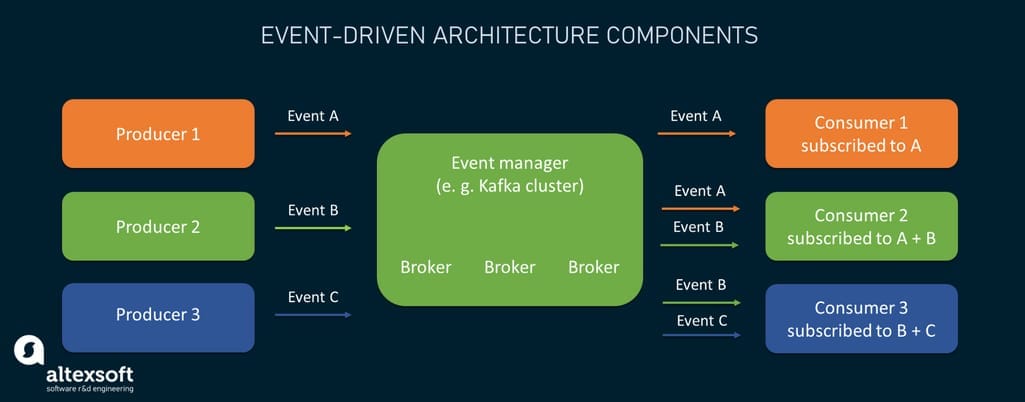
Pub/Sub introduces a simple but powerful idea:
services publish facts, not workflows.
Instead of saying “do this, then that”, a service says “this happened” and moves on.
Who reacts to that event, how many consumers exist, and how long processing takes—all of that becomes someone else’s concern. That separation is what makes Pub/Sub scale.
A Real Example From Netflix

Click to zoom
Image
Click to zoom
Image
Click to zoom
Image
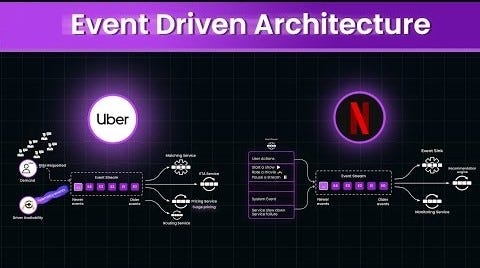
Playback authorization, session tracking, recommendation signals, analytics events, experiment logging, ranking updates—the list keeps growing as the platform evolves.
At one point, some of these were tightly integrated into request flows. That meant non-critical systems—like analytics—could impact something critical—like video playback.
Netflix fixed this by shifting to an event-first mindset.
Playback services emit events such as , and everything else reacts asynchronously.
PlaybackStartedIf analytics slows down, playback doesn’t care.
If a new system needs the data, it subscribes—no rewrites required.
This wasn’t about performance optimization. It was about protecting core user flows from everything else.
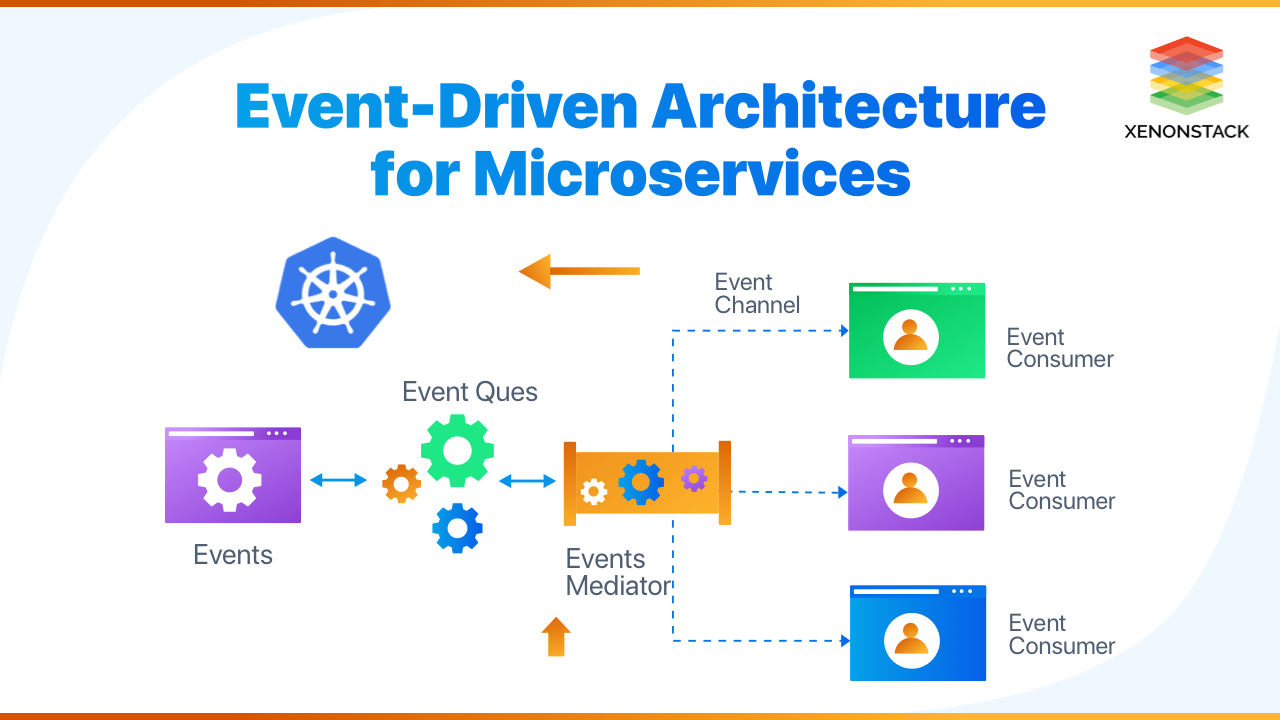
Pub/Sub Is What Makes Microservices Actually Work
Click to zoom
Image
Click to zoom
Image
Click to zoom
Image
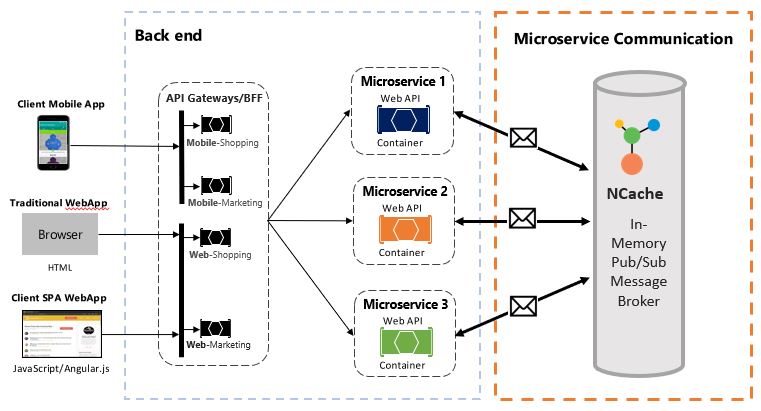
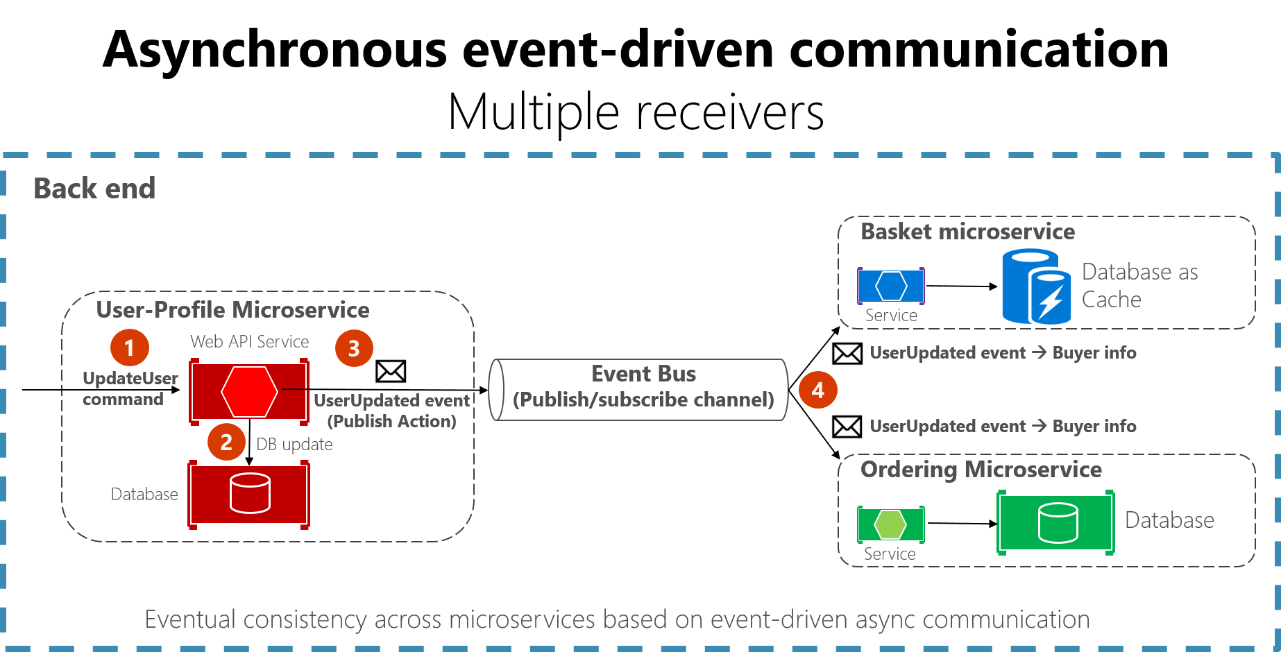
A lot of teams adopt microservices and then wire them together with synchronous APIs everywhere. At scale, that just recreates a distributed monolith.
Pub/Sub is what prevents that.
When services communicate through events:
- They don’t need to know who consumes their data
- They can be deployed independently
- Failures don’t propagate automatically
- New functionality doesn’t require changing existing services
This is also why Pub/Sub scales organizations, not just systems. Teams stop blocking each other.
Uber’s Scaling Problem Wasn’t Traffic — It Was Fan-Out
At companies like Uber, a single action—requesting a ride—triggers a surprising number of workflows: matching, pricing, notifications, billing, fraud detection, metrics, experiments.
Early synchronous designs made these flows fragile. One slow dependency could delay the entire experience. Retries caused load spikes. Regional failures cascaded.
By moving to a Pub/Sub-based model, Uber turned ride events into a shared source of truth. Each downstream system consumed events independently and scaled on its own terms.
That shift changed failure modes from system-wide incidents to isolated, recoverable issues.
Why Pub/Sub Handles Load Spikes Better Than APIs
One of the biggest advantages of Pub/Sub shows up during traffic spikes.
With synchronous systems:
- Load hits everything at once
- Backpressure is hard to manage
- Failures appear quickly
With Pub/Sub:
- Publishers stay fast
- Consumers can scale horizontally
- Queues absorb bursts naturally
This is why Pub/Sub is foundational for things like flash sales, notification systems, ingestion pipelines, and real-time analytics. You don’t need perfect capacity planning—you need elasticity.
Google Learned This the Hard Way

Click to zoom
Image
Click to zoom
Image

Click to zoom
Image
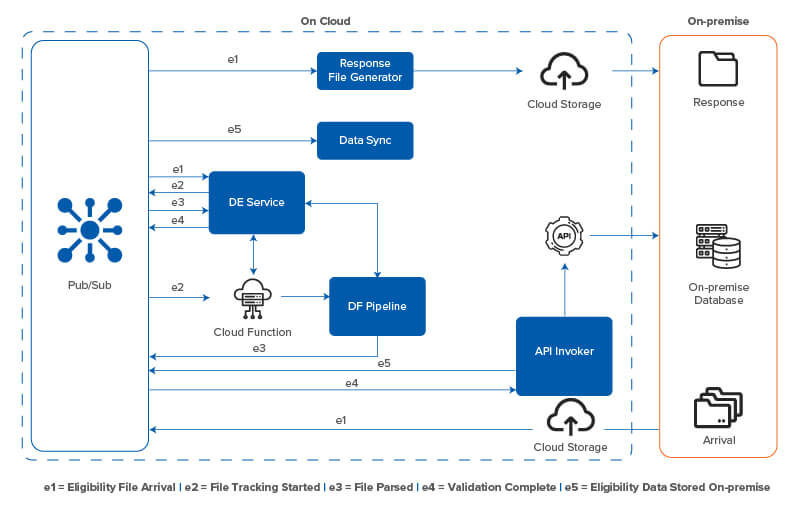
Long before cloud-native architectures became popular, Google was already dealing with massive internal event flows—indexing, logging, monitoring, ads, analytics.
Direct coupling simply didn’t work at that scale.
Their internal Pub/Sub systems allowed teams to publish data once and let the rest of the organization build on top of it independently. That internal success eventually became Google Cloud Pub/Sub.
The pattern wasn’t invented for convenience—it emerged out of necessity.
Pub/Sub Makes Failure Boring (and That’s a Good Thing)
In production systems, consumers crash. Networks glitch. Deployments go wrong.
Pub/Sub assumes all of this.
If a consumer is down, messages wait.
If processing fails, retries happen later.
If a service is redeployed, it picks up where it left off.
This makes Pub/Sub ideal for workflows that:
- Can’t block user requests
- Need reliable delivery
- Require reprocessing
- Must survive partial outages
It turns failure from a crisis into an operational detail.
Pub/Sub in the Real World: Common Services
| Platform | Typical Use |
|---|---|
| Apache Kafka | High-volume event streams |
| AWS SNS | Fan-out notifications |
| AWS SQS | Background processing |
| Google Cloud Pub/Sub | Global event delivery |
| Azure Service Bus | Enterprise workflows |
Different tools, same underlying need: decoupling under scale.
Pub/Sub Also Changes How Teams Build Features
One of the most underrated benefits of Pub/Sub is how it affects development velocity.
New features don’t require touching core flows.
Analytics teams don’t block product teams.
Experiments don’t risk production stability.
Teams subscribe to events and build independently. That’s how large organizations move fast without constant coordination overhead.
When Pub/Sub Stops Being Optional
You usually know it’s time when:
- Multiple systems react to the same event
- Failures in analytics or logging impact users
- Traffic spikes cause cascading issues
- Scaling feels expensive and fragile
- Teams slow each other down
At that point, Pub/Sub isn’t an architectural preference—it’s infrastructure.
Closing Thoughts
Pub/Sub isn’t about elegance or theory. It’s about surviving growth.
Every large-scale system eventually learns the same lesson: tightly coupled synchronous architectures don’t scale indefinitely. Pub/Sub exists because experienced engineers needed a better way to build systems that keep working as everything around them grows.
That’s why it shows up everywhere—from streaming platforms to payment systems to AI pipelines. Not because it’s fashionable, but because it works.
